
Wedding Sound and Lighting Rental Cost in the Philippines Explained
Wedding sound and lighting can look simple on a quotation, until the reception starts and every detail matters. The vows must be heard clearly. The host needs a reliable mic. The first dance needs the right mood. The band or DJ needs proper equipment. Guests should not be squinting at a dark stage or sitting through painful feedback.
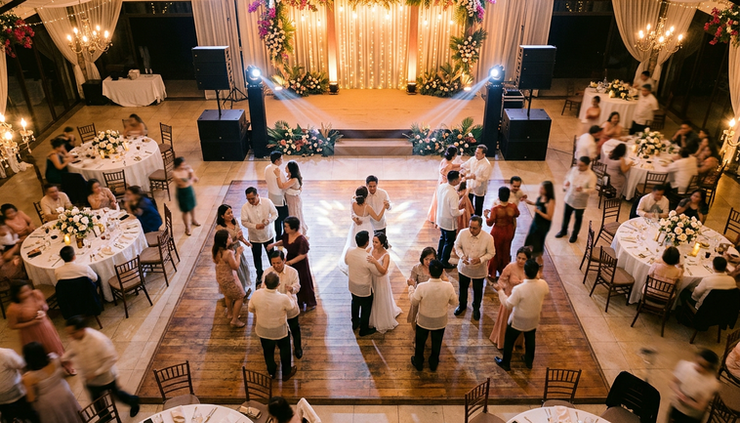
In the Philippines, wedding sound and lighting rental can range from a modest setup for an intimate celebration to a full production package with stage lights, LED wall, trusses, and live band support. The right budget depends on guest count, venue size, programme flow, and how polished you want the reception to feel.
Here is a practical guide to typical costs, what packages usually include, and how to choose without overspending.

Typical wedding sound and lighting rental prices in the Philippines
Prices vary by supplier, city, date, venue, and equipment brand. Metro Manila and nearby areas often have more supplier options, while out-of-town weddings may add transport, lodging, or crew meal costs.
As a general guide, many wedding sound and lighting rentals in the Philippines fall within these ranges:
Package type | Typical price range | Best for |
Basic ceremony sound system | ₱5,000 to ₱12,000 | Church, garden, or civil ceremony with simple microphones and speakers |
Basic reception sound system | ₱10,000 to ₱20,000 | Small receptions, intimate venues, simple host and playlist setup |
Standard sound and basic lights | ₱20,000 to ₱40,000 | Most hotel, restaurant, clubhouse, or events place weddings |
Standard package with DJ support | ₱30,000 to ₱60,000 | Receptions with party segment, programme music, and dance floor lighting |
Live band-ready sound system | ₱40,000 to ₱90,000 | Weddings with acoustic, full band, or multiple performers |
Full lights and sounds production | ₱80,000 to ₱180,000 or more | Large venues, premium setups, LED wall, trusses, moving heads, advanced lighting |
High-end production package | ₱200,000 and up | Large guest count, big stage, major styling, complex programme, multiple technical needs |
These are ballpark figures, not fixed rates. A ₱35,000 package from one supplier may be enough for 150 guests in a restaurant, while another ₱35,000 package may be too small for a ballroom with a live band.
The better question is not only “How much is the package?” It is “What exactly is included, and will it work for my venue and programme?”
A good quotation should clearly show Package prices, inclusions, and factors that affect cost. If the quote is only a package name and a total amount, ask for details before booking.
What is usually included in a wedding sound and lighting package
Most sound and lighting suppliers offer packages based on event size. The names vary, but the inclusions often follow a similar pattern.
Basic sound system inclusions
A basic wedding sound system may include:
Two main speakers
One or two wireless microphones
One wired microphone as backup
Audio mixer
Music playback source or laptop connection
Basic cables and stands
One sound technician
Setup and pack-up within the agreed time
This can work for a ceremony, a small reception, or a simple programme with a host, speeches, and background music.
For outdoor weddings, ask if the speakers are powerful enough for the area. Open spaces need stronger sound because there are no walls to contain the audio.
Standard reception sound and lighting inclusions
A standard package often adds more equipment for a smoother reception:
More powerful speakers or subwoofers
Additional microphones for hosts, vows, speeches, or performers
Stage or dance floor lights
Par lights or uplights
Basic lighting controller
DJ booth or technical table
Two or more technicians
Basic programme music support
This is the usual starting point for many receptions in Metro Manila, Quezon City, Tagaytay, Pampanga, Bulacan, Laguna, Rizal, and nearby wedding locations.
If your reception has a host, entrance music, AVP, speeches, games, cake cutting, first dance, same-day edit, and party set, a basic sound-only package may feel limited. A standard package gives more room for a proper flow.
Live band sound system inclusions
A live band changes the technical requirements. A package for a band may include:
Main speakers and subwoofers
Stage monitors
Multiple microphones
DI boxes for instruments
Drum microphones or drum shield, if needed
Larger mixer with more channels
Soundcheck time
More experienced audio crew
Do not assume that a regular wedding sound system can handle a full band. A singer with an acoustic guitar has very different needs from a six-piece band with drums, keyboard, bass, electric guitar, and backing vocals.
Ask the band for a technical rider. Give it to the sound supplier early so they can quote correctly.

Factors That Affects Wedding Package Prices for Sounds and Lights
Two weddings with the same number of guests can have very different sound and lighting costs. A small garden wedding with a live band may need more equipment than a larger indoor lunch reception with only speeches and playlist music.
Here are the biggest cost factors.
Guest count and venue size
More guests usually mean a larger room, more tables, and wider sound coverage. A setup for 50 guests in a private dining room will not be enough for 300 guests in a ballroom.
The supplier may recommend extra speakers, delay speakers, subwoofers, or additional lighting zones. These add cost, but they also prevent common problems like guests at the back not hearing the host.
Indoor or outdoor location
Indoor venues are often easier to manage because there are walls, ceilings, and existing power sources.
Outdoor venues can cost more because they may require:
Weather-safe equipment placement
Longer cables
More powerful speakers
Generator rental
Tent or cover for the technical area
Earlier ingress for testing
Backup plans for rain and wind
For beach, garden, and mountain weddings, ask how the supplier protects the equipment and what happens if the weather changes.
Venue restrictions and technical rules
Hotels, churches, restaurants, and events places may have rules on ingress, egress, volume limits, power loading, and supplier accreditation.
Some venues charge corkage for outside suppliers. Others require accredited sound and lighting teams. If your chosen supplier is not accredited, you may need to pay additional fees or submit documents.
Ask the venue about these items before finalising your supplier. A cheaper quote can become less attractive if the venue adds corkage or limits setup time.
Programme complexity
A simple reception with dinner, speeches, and background music needs less equipment than a programme with live performances, grand entrance cues, LED wall content, games, party lighting, and a full band.
Costs may increase when the programme needs:
Multiple microphones used at the same time
Separate audio feed for video team
Same-day edit playback
Special lighting cues
Live streaming audio output
DJ controller or turntables
Extra rehearsals or soundcheck time
The more moving parts you have, the more technical support you need.
Date and season
Peak wedding months can affect availability and pricing. In the Philippines, many weddings happen during the cooler months and popular dates near holidays, long weekends, and December celebrations.
Booking early gives you more choices. Last-minute bookings may leave you with fewer suppliers or higher rates, especially for Saturdays and popular venues.
Location and travel
If the supplier is based in Metro Manila and your wedding is in Tagaytay, Batangas, Pampanga, Subic, Bataan, La Union, Baguio, Cebu, Iloilo, Davao, or another destination, expect added fees.
These may cover:
Fuel and toll fees
Trucking or van rental
Crew meals
Accommodation
Out-of-town allowance
Extra travel time
Ferry or cargo fees for island locations
For destination weddings, ask for an all-in quote. It is easier to compare suppliers when transport and crew costs are already included.

Add Ons That Affects Total Price
Add-ons can improve the experience, but they can also push the budget up quickly. Choose the ones that match your venue, photos, and programme.
Uplights
Uplights are placed along walls, pillars, or stage areas to add colour and depth. They are popular because they can make a plain room feel more elegant.
They are useful for hotels, restaurants, clubhouses, and events places with plain walls. For outdoor venues, they can highlight trees, tents, or pathways.
Moving heads and dance floor lights
Moving head lights create beams and motion during entrances, performances, and party sets. They make the reception more dynamic, especially if there is a DJ or band.
For a lunch wedding or a very formal dinner, you may not need many moving lights. For an evening wedding with dancing, they can make a big difference.
LED wall or projector setup
An LED wall is brighter and more polished than a projector, but it costs much more. It also needs proper rigging, power, and space.
A projector may be enough for simple slideshows or AVPs in a smaller venue. For ballrooms or bright rooms, an LED wall may be worth the upgrade.
Ask your photo and video team what format they need for same-day edit playback. The technical team should also know where the screen or LED wall will be placed.
Trusses and stage structures
Trusses hold lights, speakers, LED panels, and decor elements. They are useful for large venues or full production setups.
They add cost because they require more equipment, transport, labour, and setup time. They also need safe installation. Always choose a supplier that understands proper rigging and load limits.
Special effects
Some weddings add cold sparks, low-lying fog, confetti, or CO2 effects. These can create memorable moments, but they come with safety and venue restrictions.
Before booking special effects, ask the venue if they allow them. Some indoor venues ban sparks, smoke, haze, and confetti because of fire alarms, flooring, or cleanup rules.
How to Compare Suppliers
A low price is attractive, but the cheapest quote is not always the best value. Sound and lighting affect the mood, comfort, and flow of the whole celebration.
Use these checks before paying a booking fee.
Ask for the equipment list
A clear quotation should name the main items, not just say “complete lights and sounds.”
Ask for:
Number and type of speakers
Number of wireless microphones
Number of technicians
Included lights
Mixer type or channel capacity
Power requirements
Setup and pack-up hours
Add-on rates
Overtime rate
You do not need to know every technical detail, but you should know whether the package matches your event.
Share your guest count and floor plan
Send the supplier your guest count, venue name, layout, and programme plan. If possible, include the stage location, couple’s table, dance floor, band area, and screen location.
A reliable supplier can recommend the right setup based on this information. If a supplier gives the same recommendation to every wedding, ask more questions.
Confirm microphone needs
Microphones are small items, but they cause big problems when planned poorly.
Count who needs mics:
Host
Couple
Officiant or priest, if allowed by the venue
Readers
Parents or speech givers
Singers
Band members
Coordinators for cueing, if needed
Ask for at least one backup microphone. Batteries should also be fresh or fully charged.
Check sound support for photo and video teams
Wedding videographers often need clean audio from the sound system for speeches, vows, and programme moments. Ask if the supplier can provide an audio feed.
This small detail can improve the quality of your wedding video. It is better to plan it early than to fix it during the reception.
Read the overtime policy
Most packages include a set number of hours. Weddings often run longer because of traffic, delayed prep, extended dinner, long speeches, or extra party time.
Ask how much overtime costs per hour. Clarify whether overtime applies to equipment use, crew time, or both.
A Practical Budget Guide Based on Wedding Style
Here is a simple way to estimate your starting budget.
For an intimate wedding with 30 to 80 guests, prepare around ₱10,000 to ₱25,000 for basic sound or a small sound and lights package. This works best for restaurants, private rooms, and simple receptions.
For a standard wedding with 100 to 180 guests, a safer range is around ₱25,000 to ₱60,000. This usually covers better speakers, microphones, basic lights, and technician support.
For a larger wedding with 200 to 300 guests, budget around ₱50,000 to ₱100,000 or more, especially if the venue is a ballroom or events hall.
For a wedding with live band, DJ, and party lighting, expect around ₱60,000 to ₱150,000, depending on the band requirements, lighting design, and venue size.
For a premium production setup, with LED wall, trusses, moving heads, special effects, and a large technical crew, the total can go beyond ₱200,000.
These ranges are meant for planning, not as fixed quotes. Always ask suppliers to tailor the package to your venue and programme.
How to save money without hurting the guest experience
You can control cost without making the event feel underprepared.
Start by choosing the right venue. A well-equipped indoor venue may need fewer add-ons than a raw open space. Good lighting, proper power access, and reasonable ingress hours can lower technical costs.
Next, be honest about the programme. If there is no live band and no party set, you may not need a large production package. If dancing is a priority, spend more on sound and party lights instead of decorative extras guests may not notice.
Bundle wisely. Some coordinators, stylists, hosts, DJs, bands, and venues have preferred suppliers. Bundled rates can be convenient, but still check the inclusions. Do not accept a vague package just because it is bundled.
Limit special effects. Cold sparks, fog, confetti, and complex lighting cues look great, but they are not always needed. One strong moment is better than five add-ons that strain the budget.
Book early. Early booking helps secure better suppliers and avoids rushed decisions. It also gives the technical team time to coordinate with the venue, band, host, and video team.
The best value is the package that fits the actual wedding
Wedding sound and lighting rental in the Philippines can cost anywhere from around ₱10,000 for a simple setup to well over ₱200,000 for a full production. Most couples planning a standard reception will likely fall somewhere between ₱25,000 and ₱80,000, depending on the venue, guest count, and programme.
The smartest move is to match the setup to the event, not to the package name. Ask for clear inclusions. Share your floor plan. Confirm microphones, lighting, overtime, travel fees, and venue rules. If you have a band or DJ, involve them early.
Good sound keeps the programme clear. Good lighting makes the moment feel intentional. Together, they help guests stay present from the vows to the last song.
Best Provider for Wedding Stage Provider Options
RED Damien Provides Top Quality Wedding
Why look further than us, Red Damien's Special Lights Services for Weddings. We provide the highest quality LED Walls you can rent in the philippines. You can also contact us through our numbers
(02) 7902 5495 / (02) 7211 3095
Or through our email inquiries@reddamien.com
What are you waiting for, inquire now!


Comments